Blast-Resistant Modules Explained: Safety, Standards, and Site Applications
Why Blast-Resistant Modules Matter
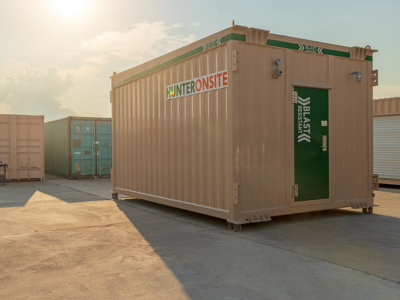
In high-risk industrial environments, such as oil refineries, chemical plants, and military installations, worker safety depends on more than operational protocols. The physical structures that house personnel and equipment must be able to withstand catastrophic incidents. Blast-resistant Modules (BRMs), also known as Blast-resistant Buildings (BRBs), are purpose-built to protect human life and critical assets against explosions, overpressure events, and hazardous debris.
Unlike conventional offices or trailers, blast-resistant structures are engineered with reinforced steel, specialized walls, and advanced blast-resistant design standards that mitigate the destructive forces of an explosion. These buildings are now essential across industries where flammable gases, volatile chemicals, or combustible materials are present.
What Is a Blast-Resistant Module?
A blast-resistant module, also referred to as an explosion-resistant building or blast-proof building, is a modular or permanent structure designed to shield occupants from the effects of explosions.
Key protective elements include:
- Pressure resistance: Typically rated in PSI (pounds per square inch) to withstand varying blast levels.
- Structural integrity: Reinforced walls, roofs, and doors to prevent collapse.
- Debris mitigation: Interior features engineered to reduce secondary injuries.
- Modular design: Units can be installed quickly and configured into complexes.
How Blast-Resistant Structures Work
The science behind blast-resistant design focuses on energy absorption and deflection. When an explosion occurs, modules are subjected to:
- Peak overpressure – the initial force of the blast wave.
- Impulse load – the duration and strength of that force.
- Fragmentation – debris and shrapnel propelled at high velocity.
Blast-resistant modules are engineered to absorb shock waves, redirect energy, and remain structurally sound long enough to protect occupants. This makes them superior to traditional trailers or unreinforced structures, which often collapse under blast pressure.
Blast-Resistant Module Standards and Certifications
Safety standards govern the design, testing, and deployment of BRMs. These include:
- API RP 752 / RP 753 – American Petroleum Institute guidelines for siting and occupancy of blast-resistant structures in petrochemical facilities.
- CSA Standards (Canada) – Canadian Standards Association requirements for explosion-resistant modules.
- OSHA & NFPA Compliance – Occupational and fire safety benchmarks.
- Independent Blast Testing – Validation of PSI ratings and blast load performance.
By meeting these standards, companies demonstrate due diligence in ensuring worker safety and compliance with relevant regulations.
Types of Blast-Resistant Modules

There are several formats depending on site needs: Single-Unit Blast-Resistant Modules: Compact, standalone units ideal for guard shacks, control rooms, or small site offices.
Multi-Unit Complexes: Connected BRMs configured into blast-resistant complexes with hallways, conference areas, and multiple offices.
Specialty Units: Specialty blast buildings extend protection beyond office use, delivering safety, compliance, and convenience for everyday industrial activities. These include:
- Tool Cribs: Secure, explosion-resistant storage for critical tools and equipment, keeping essential gear protected and accessible in hazardous areas.
- Restrooms: Fully outfitted sanitary facilities built to the same blast-resistant standards as other BRBs, ensuring comfort and safety for workers in restricted zones.
- Permit Buildings: Dedicated spaces for housing hot work permits, safety documentation, and compliance oversight, providing a secure environment for critical administrative functions near operations.
Modular Blast Buildings vs. Traditional Construction
Modular blast buildings offer a faster, more cost-effective solution compared to permanent concrete construction.
- Speed: Delivered and installed in days, not months.
- Flexibility: Easily relocated as projects evolve.
- Cost savings: Lower upfront investment than permanent explosion-proof buildings.
- Customization: Interiors tailored for offices, breakrooms, or command centers.
PSI Ratings: Understanding Blast Resistance
Not all hazardous zones are the same, and neither are blast-resistant buildings. The strength of a blast-resistant module is measured by its PSI (pounds per square inch) rating, which determines how much overpressure the structure can withstand.
Common PSI Ratings Explained
- 5 PSI: Best suited for light-duty occupancy or remote zones where workers are less exposed to high-pressure incidents.
- 8 PSI: The most common rating for general industrial applications, including control rooms and nearby administrative offices.
- 10+ PSI: Heavy-duty protection designed for facilities with significant explosion risks, such as refineries and chemical processing units.
How PSI Ratings Are Determined
Choosing the right PSI rating isn’t guesswork. It requires:
-
Hazard assessments to identify potential explosion sources.
-
Blast modeling studies that simulate how energy would travel through a site.
-
Siting evaluations to determine where structures should be located for maximum protection.
By pairing the right PSI rating with proper placement, companies can dramatically reduce risk and enhance worker safety.
Why It Matters
Underestimating PSI needs can leave workers vulnerable, while overestimating can lead to unnecessary costs. Partnering with an experienced provider like Hunter Onsite ensures your facility gets the right balance of safety and efficiency.
Applications of Blast-Resistant Modules
The need for explosion-resistant buildings stretches across multiple industries. Wherever volatile materials, high-pressure systems, or explosive risks are present, blast-resistant modules provide the solution.
Oil & Gas
From offshore rigs to onshore refineries, the oil and gas sector relies heavily on BRMs. Typical applications include:
- Safe offices for supervisors and engineers.
- Break areas for crews working near drilling and processing units.
- Control stations where fast, protected decision-making is essential.
Chemical Processing
Plants handling flammable gases and chemicals benefit from BRMs as administrative offices, lab spaces, or maintenance hubs. These units reduce risk during everyday operations and turnaround periods.
Refining & Petrochemical
Blast-resistant complexes are often deployed near catalytic crackers, hydrotreater units, and storage tanks, keeping essential staff protected while maintaining visibility on critical processes.
Pharmaceutical & Biotech
Even labs outside of heavy industry face hazards. Facilities using volatile solvents or flammable materials can safeguard scientists and technicians with modular blast-resistant labs and offices.
Military & Defense
In high-security zones, BRMs serve as:
- Command and control centers.
- Secure meeting spaces.
- Personnel housing near sensitive operations.
Their durability and mobility make them valuable assets in both domestic and deployed settings.
Renting vs. Buying a Blast-Resistant Module
Companies often weigh BRM rental versus purchase:
- Rental Benefits:
- Immediate availability.
- Flexible short-term deployment.
- Lower upfront cost.
- Purchase Benefits:
- Long-term investment.
- Custom layouts and finishes.
- Asset ownership and control.
HUNTER is the #1 name in rentals of blast-resistant modules (BRMs) in industrial areas, disaster preparedness, and conflict zones.
Maintenance and Lifecycle Considerations
A blast-resistant structure is only effective if properly maintained. Key practices include:
- Regular inspections of welds, joints, and pressure seals.
- HVAC and fire suppression system maintenance.
- Re-certification of PSI blast ratings.
- Relocation assessments to ensure continued compliance.
Advantages of Blast-Resistant Modules
- Worker protection: Safeguards human life in hazardous zones.
- Regulatory compliance: Meets OSHA, API, and CSA standards.
- Business continuity: Minimizes downtime after incidents.
- Flexibility: Rent, lease, or purchase as needed.
- Scalability: Expand with additional modules.
Conclusion
Blast-resistant modules are no longer optional—they’re a safety imperative for modern industrial operations. By investing in explosion-resistant structures, companies protect their most valuable asset: their people. Whether through BRB rentals, modular blast modules, or custom-engineered complexes, these structures deliver peace of mind in high-risk environments.
If you’re planning for worker safety and compliance, a blast-resistant module rental from HUNTER is the gold standard.
Frequently Asked Questions About Blast-Resistant Modules
Are blast-resistant modules the same as explosion-proof modules?
Not exactly. Explosion-proof typically refers to electrical components, while blast-resistant applies to entire structures designed to withstand blast overpressure.
How much does a blast-resistant module cost?
Costs vary depending on PSI rating, size, and customization. Rentals provide a lower-cost entry point for many companies.
Can modular blast buildings be relocated?
Yes. Units are engineered for transport and reinstallation at new sites.
Do all facilities need blast-resistant structures?
Not all, but any facility handling volatile chemicals, gas, or explosives should consider BRBs as part of their risk management strategy.