
Blast-Resistant Module Compliance
Meeting API RP 752, 753, and OSHA Requirements
Article Contents | |
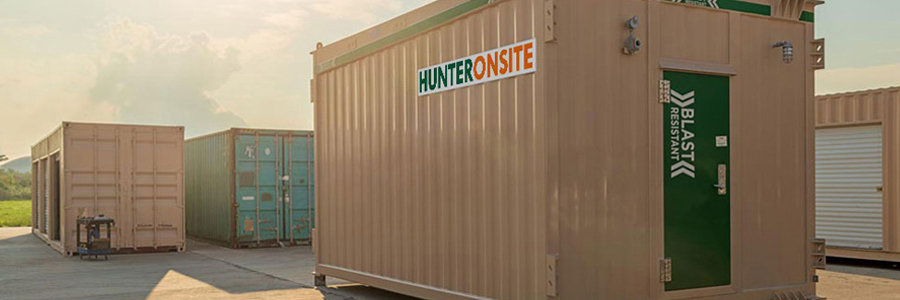
For facilities operating in high-risk environments, compliance with applicable requirements isn’t optional; it supports worker safety, regulatory approval, and liability protection. Blast-resistant modules (BRMs) can play a crucial role in a facility’s strategy for addressing recognized industry guidance, including API RP 752, API RP 753, and applicable OSHA requirements.
These guidelines help facilities evaluate where and how occupied structures should be placed in relation to hazardous processes, the level of protection required, and the engineering considerations that should be addressed. Failing to manage recognized risks increases danger to employees and can expose companies to fines, shutdowns, liability, and reputational damage.
API RP 752: Management of Hazards Associated with Location of Process Plant Permanent Buildings
API RP 752 is an American Petroleum Institute Recommended Practice that focuses on permanent buildings located within process facilities.
✓ Primary Goal: Minimize risks to occupants by assessing building siting and process hazards.
✓ Recommended Approach: Facility owners evaluate potential exposure to explosions, fires, and toxic releases through facility-siting studies.
✓ Key Implication for BRBs: Blast-resistant buildings should be designed and sited for the identified hazard loads and required building performance.
API RP 752 provides guidance for evaluating permanent structures, such as control rooms or administrative offices, that may be exposed to predictable process hazards.
API RP 753: Management of Hazards Associated with Location of Process Plant Portable Buildings
API RP 753 addresses temporary and portable buildings, which are frequently used in refineries, petrochemical plants, and turnaround projects.
✓ Primary Goal: Reduce risks to personnel occupying portable and relocatable buildings.
✓ Building Types Covered: Portable offices, trailers, lunchrooms, rest facilities and other relocatable buildings.
✓ Blast-Resistant Application: Where a portable building may be exposed to significant blast hazards, a properly rated BRM may be selected as part of the facility-siting strategy.
Facilities should evaluate building placement, occupancy levels, duration of use, and identified explosion, fire, and toxic-release hazards. A blast-resistant module may be appropriate where the facility-siting evaluation identifies the need for additional protection.
OSHA Requirements: Protecting Workers in Hazardous Locations
The Occupational Safety and Health Administration (OSHA) requires employers to provide safe workplaces, including appropriate protection from recognized explosion hazards.
✓ General Duty Clause, Section 5(a)(1): Requires employers to furnish a workplace free from recognized hazards that are causing or are likely to cause death or serious physical harm.
✓ Process Safety Management Standard, 29 CFR 1910.119: Governs processes involving highly hazardous chemicals and identifies facility siting as part of the process hazard analysis.
✓ Application to BRBs: Properly selected and sited blast-resistant structures can support a facility’s documented approach to managing recognized process hazards.
Why Compliance Matters
Worker Safety – Lives are protected when structures are appropriately designed and sited for potential blast overpressure.
Regulatory Protection – Addressing recognized API guidance and applicable OSHA requirements can reduce the likelihood of violations and penalties.
Operational Continuity – Protected facilities can help organizations maintain critical functions and recover more effectively following an incident.
Liability Defense – A documented risk-management and facility-siting strategy demonstrates that identified hazards were evaluated and addressed.
Choosing a Compliant Blast-Resistant Module

Verified blast-pressure and impulse ratings appropriate for the site’s hazard profile.
Engineering, testing, and performance documentation appropriate for the intended application.
Configurations available for permanent-building and portable-building applications.
Provider support for building selection, documentation, and coordination with the facility-siting team.
Hunter Onsite offers blast-resistant modules and complexes engineered to support these requirements, helping facilities safeguard workers while maintaining regulatory compliance.
Conclusion
Meeting applicable safety requirements and addressing API RP 752, API RP 753, and OSHA expectations isn’t just about checking boxes; it’s about protecting people, ensuring operational stability, and building a culture of safety. Blast-resistant buildings can provide part of the protection facilities need to operate responsibly in hazardous environments.
By partnering with Hunter Onsite, you gain access to blast-resistant modules, multi-unit complexes, and specialty units designed for demanding industrial applications.
Request a blast-resistant module quote today to discuss the requirements for your site.
Frequently Asked Questions About Blast-Resistant Module Compliance
RP 752 addresses permanent process-plant buildings, while RP 753 addresses portable buildings located within process plants.
Are all modular buildings suitable under API RP 753?
No. Building suitability depends on its location, occupancy, duration of use, construction, and the explosion, fire, and toxic-release hazards identified through the facility-siting evaluation. A blast-resistant module may be required where additional protection is needed.
How does OSHA address blast-resistant building compliance?
OSHA does not prescribe a BRM for every hazardous site. Employers must address recognized hazards under applicable requirements, including the General Duty Clause and the Process Safety Management standard. Facility siting is one consideration within the PSM process hazard analysis.