Blast-Resistant Module Compliance
Meeting API RP 752, 753, and OSHA Requirements
For facilities operating in high-risk environments, compliance isn’t optional; it’s a mandate for worker safety, regulatory approval, and liability protection.
Blast-resistant modules (BRMs) play a crucial role in meeting stringent standards, including API RP 752, API RP 753, and OSHA requirements.
These guidelines dictate where and how occupied structures can be placed in hazardous zones, the level of protection required, and the engineering standards that must be met. Failing to comply not only increases risk for employees but also exposes companies to costly fines, shutdowns, and reputational damage.
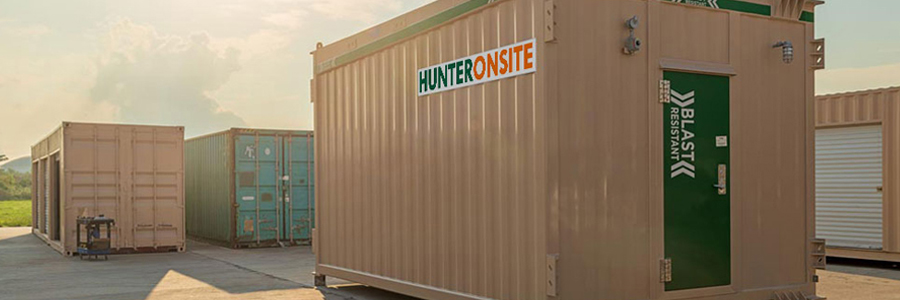
API RP 752: Management of Hazards Associated with Location of Process Plant Buildings
API RP 752 is an American Petroleum Institute Recommended Practice that focuses on permanent buildings located within process facilities.
- Primary Goal: Minimize risks to occupants by assessing siting and blast hazards.
- Requirements: Facility owners must conduct facility siting studies to identify exposure risks from explosions, fires, and toxic releases.
- Key Implication for BRBs: Blast-resistant buildings must be designed and sited to reduce overpressure exposure and prevent catastrophic failure during an incident.
API RP 752 ensures that permanent structures, like control rooms or administrative offices, are located and built to protect against predictable hazards.
API RP 753: Management of Hazards Associated with Portable Buildings
API RP 753 addresses temporary and portable buildings, which are frequently used in refineries, petrochemical plants, and turnaround projects.
- Primary Goal: Reduce risks for workers in modular and relocatable units.
- Building Types Covered: Trailers, portable offices, lunchrooms, and rest facilities.
- Blast-Resistant Application: Standard trailers are not acceptable in high-risk zones; only blast-resistant modules (BRMs) are compliant.
For compliance, companies must evaluate building placement, occupancy levels, and duration of use. Choosing modular blast buildings ensures that even temporary facilities meet required safety thresholds.
OSHA Requirements: Protecting Workers in Hazardous Locations
The Occupational Safety and Health Administration (OSHA) mandates that employers provide safe workplaces, including protection from explosion hazards.
- General Duty Clause (Section 5(a)(1): Requires employers to furnish a workplace free from recognized hazards.
- Process Safety Management (PSM) Standard 29 CFR 1910.119: Governs handling of highly hazardous chemicals, with facility siting and protective structures as a key element.
- Compliance through BRBs: Deploying blast-resistant structures demonstrates proactive risk management and helps satisfy OSHA enforcement expectations.
Why Compliance Matters
- Worker Safety – Lives are protected when structures withstand blast overpressure.
- Regulatory Protection – Meeting API and OSHA standards reduces the likelihood of penalties.
- Operational Continuity – Facilities can return to normal operations faster after incidents.
- Liability Defense – Compliance provides a documented safety strategy against legal claims.
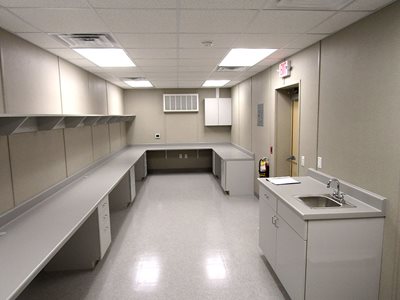 Choosing a Compliant Blast-Resistant Module
When selecting a BRB, ensure that it has:
- Verified PSI blast ratings appropriate for the hazard profile.
- Independent testing and certification documentation.
- Configurations available for both permanent (API RP 752) and portable (API RP 753) applications.
- Provider support for siting studies and OSHA compliance audits.
Hunter Onsite offers blast-resistant modules and complexes engineered to meet these standards, helping facilities safeguard workers while maintaining regulatory compliance.
Conclusion
Meeting API RP 752, API RP 753, and OSHA requirements isn’t just about checking boxes; it’s about protecting people, ensuring operational stability, and building a culture of safety. Blast-resistant buildings provide the compliance framework facilities need to operate responsibly in hazardous environments.
By partnering with Hunter Onsite, you gain access to compliant blast-resistant modules, multi-unit complexes, and specialty units designed to meet the toughest safety standards.
Request a blast-resistance module quote today to ensure your site is fully protected.
Frequently Asked Questions About Blast-Resistant Module Compliance
What’s the difference between API RP 752 and API RP 753?
RP 752 applies to permanent structures, while RP 753 covers portable and temporary buildings at hazardous sites.
Are all modular buildings compliant with API RP 753?
No. Only blast-resistant modules (BRMs) are compliant in high-risk areas; standard trailers do not meet the requirements.
How does OSHA enforce blast-resistant building compliance?
OSHA uses its General Duty Clause and PSM Standard to cite employers that fail to protect workers from explosion hazards, including inadequate facility siting.